
Navigating Healthcare: Finding LGBTQIA+-Affirming Support for Eating Disorders
- Robin Hunt
- Feb 27
- 9 min read

Eating disorders don’t discriminate - they affect people of all genders, sexualities, and backgrounds. But for LGBTQIA+ individuals, seeking help can come with added challenges. Many healthcare spaces still lack the cultural competency needed to understand how gender identity, sexuality, and body image intersect with disordered eating. This can make it harder to find affirming support, leaving many feeling unseen, misunderstood, or even discouraged from reaching out at all.
From navigating gender dysphoria in recovery to confronting biases in medical settings, LGBTQIA+ individuals often face unique barriers that traditional treatment approaches don’t always address. Some may struggle to find providers who respect their identities, while others encounter harmful assumptions about body size, gender expression, or what an eating disorder “should” look like. These gaps in care can delay or even prevent life-saving treatment.

This Eating Disorders Awareness Week, we’re shedding light on these challenges and providing guidance on finding affirming, LGBTQIA+-inclusive support. Whether you’re looking for a provider who truly understands your needs, seeking community-based resources, or just trying to take the first step toward healing, this blog will offer insights, strategies, and encouragement for your journey. Because you deserve care that sees and affirms all of who you are.
Understanding Eating Disorders in the LGBTQIA+ Community
Eating disorders - such as anorexia nervosa, bulimia nervosa, binge eating disorder, and OSFED (Other Specified Feeding or Eating Disorders) - are complex mental health conditions shaped by biological, psychological, and social factors. While often misunderstood as solely a response to weight concerns, these disorders frequently stem from deeper struggles, including body dysphoria, low self-esteem, and societal pressures.
For LGBTQIA+ individuals, these challenges are often intensified by unique stressors like discrimination, social rejection, internalized stigma, and the pressure to conform to both mainstream and community-specific beauty standards. Transgender and non-binary individuals, in particular, may experience body dissatisfaction in ways that go beyond societal beauty ideals - grappling with gender dysphoria, medical gatekeeping, and a lack of representation in eating disorder treatment spaces. The desire to alter one’s body, whether through restrictive eating, excessive exercise, or other disordered behaviors, can sometimes be linked to an attempt to feel more at home in one’s identity.
The statistics are alarming: research indicates that LGBTQIA+ individuals - especially transgender and gender-diverse people - are at a significantly higher risk of developing eating disorders compared to their cisgender, heterosexual peers. Studies suggest that up to 71% of transgender individuals experience disordered eating behaviors, a rate far exceeding that of the general population. Despite this, treatment options often remain centered on cisnormative and heteronormative experiences, leaving many LGBTQIA+ individuals without the affirming, inclusive care they need.

Understanding these disparities is the first step in advocating for better, more inclusive support systems. By addressing the intersection of eating disorders and LGBTQIA+ identities, we can push for healthcare spaces that validate diverse experiences, promote body autonomy, and center healing in a way that affirms all identities.
Challenges in Accessing LGBTQIA+-Affirming Healthcare
LGBTQIA+ individuals face numerous barriers when seeking treatment for eating disorders, many of which stem from systemic shortcomings in the healthcare system. The intersection of gender identity, sexual orientation, and disordered eating is often misunderstood or overlooked, leading to care that fails to fully address the needs of LGBTQIA+ patients. Some of the most significant challenges include:
Lack of Knowledge and Cultural Competency
Many healthcare providers are not adequately trained to address the specific needs of LGBTQIA+ individuals, particularly when it comes to the intersection of gender dysphoria, body image, and disordered eating. This lack of understanding can result in treatment approaches that ignore or even exacerbate a patient's struggles. For instance, a provider unfamiliar with transgender experiences may fail to recognize that disordered eating behaviors could be linked to a desire to suppress or alter secondary sex characteristics rather than a conventional preoccupation with weight. Similarly, assumptions about body ideals within LGBTQIA+ communities - such as the pressure some gay and bisexual men feel to conform to lean or muscular body standards - may go unrecognized, leading to gaps in care.

Discrimination and Stigma
Discrimination in healthcare remains a significant concern for LGBTQIA+ individuals, particularly transgender and gender-nonconforming people. Experiences of prejudice can range from outright denial of care to more insidious forms, such as misgendering, deadnaming, or a provider making assumptions about a patient’s sexuality or gender identity. These interactions can lead to distrust in medical institutions and a reluctance to seek care, further delaying much-needed treatment for eating disorders.
Fear of Being Misunderstood or Invalidated
Eating disorder treatment spaces are often structured around cisnormative and heteronormative frameworks, which can leave LGBTQIA+ individuals feeling unseen or misunderstood. Many treatment programs are divided by gender, creating challenges for non-binary or gender-diverse individuals who may not feel comfortable in either a male- or female-designated space.
Additionally, therapeutic approaches that focus on "loving your body" can be distressing for those experiencing gender dysphoria, as they may require a different approach to body acceptance that affirms their gender identity. The fear of being dismissed or forced into a treatment model that does not reflect their lived experiences can discourage many from seeking help altogether.
Financial Barriers and Limited Access to Care
Cost remains a significant barrier to eating disorder treatment, which often involves a combination of medical, psychiatric, and nutritional care. LGBTQIA+ individuals—particularly transgender people - are more likely to experience financial instability due to employment discrimination and systemic inequalities. Additionally, many insurance providers fail to cover gender-affirming care, leaving transgender individuals forced to choose between essential medical treatments and mental health support. Even when financial resources are available, finding an affirming provider or treatment facility can be difficult, particularly in rural areas where LGBTQIA+-competent care is even scarcer.
Finding LGBTQIA+-Affirming Eating Disorder Care
Despite the barriers LGBTQIA+ individuals face in accessing healthcare, affirming and competent eating disorder treatment is available. The key is knowing where to look and how to advocate for care that respects and supports your identity.

Here are some practical steps to finding the right support:
Research LGBTQIA+-Inclusive Treatment Centers
The first step is identifying treatment centers that actively support LGBTQIA+ individuals. Some facilities specialize in working with LGBTQIA+ clients, incorporating gender-affirming care and an understanding of the unique factors that contribute to eating disorders within the community. When researching, look for centers that:
Explicitly mention LGBTQIA+ inclusivity on their website.
Have experience treating transgender, non-binary, and gender-diverse individuals.

Offer therapy that acknowledges the role of gender dysphoria, body image, and societal pressures in eating disorders.
Train their staff in cultural competency around LGBTQIA+ issues.
If a center’s approach to LGBTQIA+ care isn’t clear from their website, don’t hesitate to call or email and ask about their policies, staff training, and whether they have therapists who specialize in LGBTQIA+ mental health.
Consult LGBTQIA+ Support Networks and Advocacy Groups
Many LGBTQIA+ organizations maintain lists of affirming healthcare providers or can connect you with resources tailored to your needs. Consider reaching out to:
National and international organizations like PFLAG, The Trevor Project, National Eating Disorders Association (NEDA), and GLAAD.
Local LGBTQIA+ community centers that often have mental health resources and provider recommendations.
Online forums and social media groups where LGBTQIA+ individuals share experiences and referrals.
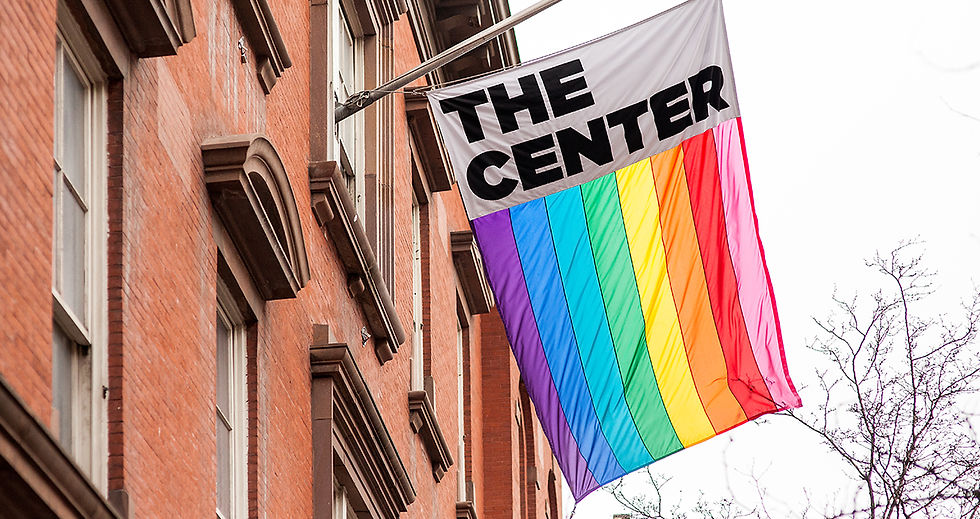
If you're unsure where to start, asking in LGBTQIA+ community spaces - whether in person or online - can lead to valuable firsthand recommendations from those who have already navigated similar experiences.
Consider Online Therapy and Telehealth Options
If finding affirming in-person treatment is challenging, online therapy and telehealth services can be a great alternative. Many therapists specialize in eating disorders and LGBTQIA+ mental health and offer virtual sessions, providing greater access to specialized care regardless of location. Benefits of online therapy include:
Greater privacy and comfort when discussing sensitive topics.
Access to LGBTQIA+-affirming therapists regardless of geographic barriers.
A wider selection of specialists who understand gender dysphoria, body image issues, and the unique stressors LGBTQIA+ people face.

Platforms like BetterHelp and Talkspace offer options for connecting with LGBTQIA+-affirming therapists. Some nonprofit organizations also provide sliding-scale or low-cost therapy for those facing financial barriers.
Ask for Referrals and Recommendations
If you already have a trusted healthcare provider, therapist, or LGBTQIA+ support group, ask them for referrals to specialists who have experience treating eating disorders in LGBTQIA+ patients. If you don’t have an established provider, consider reaching out to:
LGBTQIA+ health clinics that may have partnerships with affirming therapists.
Peer support groups where individuals share trusted provider recommendations.
University LGBTQIA+ centers, which often maintain lists of inclusive mental health professionals.
Finding the right provider can take time, and it’s okay to be selective. Your healthcare should affirm and support you - not add to your stress.
Advocate for Your Needs
Navigating the healthcare system can be intimidating, but you have the right to care that aligns with your identity and experiences. When seeking treatment, consider:
Clearly communicating your needs, whether it’s a provider who understands gender dysphoria, a non-binary-friendly treatment approach, or a space that is explicitly LGBTQIA+-affirming.
Asking about intake procedures and whether they consider gender identity beyond the male/female binary.
Seeking second opinions if a provider dismisses your concerns or lacks the necessary cultural competency.

You deserve care that acknowledges and respects the intersection of your LGBTQIA+ identity and your mental health. If a provider does not meet your needs, don’t hesitate to seek alternative options. Your recovery journey should be affirming, inclusive, and centered on your well-being.
What to Expect from LGBTQIA+-Affirming Eating Disorder Care
LGBTQIA+-affirming eating disorder treatment should be holistic, inclusive, and individualized, recognizing the unique factors that contribute to disordered eating within the LGBTQIA+ community. A truly affirming approach goes beyond addressing food and weight concerns - it acknowledges the intersection of gender identity, sexual orientation, trauma, and societal pressures. Here are some key aspects of LGBTQIA+-affirming care:
Gender-Affirming Therapy
For transgender and non-binary individuals, gender dysphoria can play a significant role in body image and eating behaviors.

LGBTQIA+-affirming treatment should:
Recognize how gender dysphoria contributes to disordered eating patterns.
Offer therapeutic support for navigating body image concerns in ways that affirm gender identity.
Avoid reinforcing gendered expectations around weight, shape, or appearance.
Collaborate with healthcare providers who specialize in gender-affirming medical care, if relevant.
Providers should take a non-pathologizing approach to gender identity and ensure that therapy validates and supports each individual’s experience.
Safe, Non-Judgmental Spaces
A key component of affirming care is the creation of safe spaces where LGBTQIA+ individuals feel respected and heard. This means:
Working with therapists and dietitians who are knowledgeable about LGBTQIA+ experiences and terminology.
Ensuring treatment environments are inclusive, such as offering all-gender spaces instead of enforcing binary gendered programs.

Addressing LGBTQIA+-specific body image concerns, including those influenced by cultural norms within LGBTQIA+ communities.
Recognizing that not all eating disorders are about weight loss - some may stem from a desire to control the body due to external pressures, dysphoria, or trauma.
In affirming spaces, individuals should never feel pressured to educate providers about LGBTQIA+ issues - cultural competency should be a given.
Focus on Mental Health and Intersectionality
Eating disorders do not exist in isolation, especially for LGBTQIA+ individuals who may also be navigating:
Discrimination and stigma, both within and outside the healthcare system.
Trauma, including family rejection, bullying, or societal marginalization.
Minority stress, the chronic stress that stems from facing prejudice and systemic barriers.
Socioeconomic disparities, which can impact access to care, housing stability, and food security.

An intersectional approach to treatment acknowledges that these factors influence mental health and eating behaviors. LGBTQIA+-affirming care should not only focus on food-related concerns but also offer support for underlying struggles such as anxiety, depression, trauma, and identity-related stressors.
Advocating for LGBTQIA+-Affirming Care
If you’re seeking treatment, it’s okay to ask providers about their experience working with LGBTQIA+ individuals. Questions to consider include:
Do you have experience treating LGBTQIA+ patients with eating disorders?
How do you incorporate gender-affirming care into treatment?
Do you offer non-binary-friendly or all-gender spaces in your programs?
How do you address trauma, minority stress, or intersectional identities in treatment?

You deserve care that not only helps you recover from an eating disorder but also affirms your identity and lived experiences. If a provider isn’t meeting your needs, keep searching - there are affirming professionals and resources available to support you on your journey.
Going Forward
For LGBTQIA+ individuals, accessing affirming healthcare for eating disorders can be challenging, but it is an essential step toward healing and well-being. The intersection of LGBTQIA+ identities and eating disorders presents unique obstacles - whether it’s navigating gender dysphoria, coping with societal pressures, or facing discrimination in healthcare settings. However, no one should have to endure these struggles alone.
By seeking out LGBTQIA+-affirming providers, advocating for inclusive care, and utilizing support networks, individuals can find the compassionate and competent treatment they deserve. Community support plays a vital role in recovery, and building connections with affirming professionals, organizations, and peers can make all the difference.
Eating disorders are complex, but recovery is possible. Everyone deserves access to care that not only addresses their eating disorder but also respects and affirms their identity. No matter where you are in your journey, know that you are worthy of support, understanding, and healing.


Comments